
WARDOGS Tanks: L2A6, Gepard and SPH-2 Roles and Support
Compare the L2A6 tank, Gepard anti-air vehicle and SPH-2 artillery in WARDOGS, then plan infantry support, target selection and replacement cost.
What is the difference between L2A6, Gepard and SPH-2?
They serve different jobs: tank combat, anti-air coverage and artillery support. Choose for the threat or task your team needs answered rather than treating every tracked vehicle as the same armored upgrade.
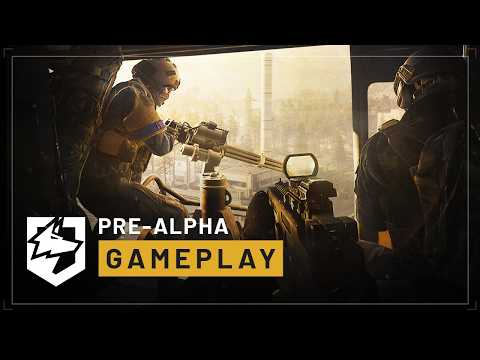
This video is playing in the corner.
| Vehicle | Intended comparison | Community price |
|---|---|---|
| L2A6 | Main battle tank | $14,000 |
| Flakpanzer Gepard | Anti-air support | $10,000 |
| SPH-2 | Artillery support | $8,000 |
These are recorded purchase prices. Check current access, equipment and crew requirements before buying.
When should you take the L2A6?
When a supported armored position helps your team reach or hold the objective. Identify the route, likely targets and nearby infantry before departure. Driving into a dense area without information can expose the vehicle to threats it cannot easily see.
Use armor to support the Control Zone fight. A distant vehicle duel that leaves the objective empty may do less for the match than protecting an infantry entry.
Where should the Gepard operate?
Where its anti-air role protects useful friendly movement or a position. Choose an air approach that matters to the team, with cover and a way to reposition. Covering empty sky away from the objective does not solve the current problem.
Coordinate with helicopter crews and the people using a nearby FOB. Do not assume anti-air equipment makes a vehicle safe from ground threats.
How should artillery support the fight?
Fire at a useful reported target and coordinate with the players it affects. An artillery platform needs current information and a reason to spend ammunition. Tell teammates which area is being supported and leave a route to reposition.
The artillery calculator can explore its modeled trajectory and inputs. It does not replace the actual weapon, ammunition and aiming behavior in the current match.
How can infantry help an armored vehicle?
Watch close approaches, identify threats and keep the route usable. Report suspected launchers, avoid crowding the vehicle’s movement and agree on where support will happen. BULKHEAD also describes player tips for useful repairs or refuelling.
A vehicle cannot watch every nearby corner while doing its main job. The launcher guide helps explain the threats infantry should look for.
What destroys a tank?
The result depends on the target, ammunition and hit conditions. Do not assume one rocket or a real-world weak point guarantees a kill. Coordinate anti-vehicle attempts and preserve cover between shots.
Before repeating an expensive vehicle life, review the economy and whether the route or support failed. Buying the same tank again will not fix missing information.
Sources
Source: Latest game version.
Where are you headed next?
Related Intel
guides
WARDOGS Armor & Damage Guide: Plates, Helmets and Leg Meta
Master WARDOGS ballistic armor: Level 1–3 plate durability, helmet headshot protection, Armor Piercing (AP) ammo, and the high-TTK leg meta.
vehicles
WARDOGS Helicopter Flight School: Controls, Settings and Hot Drops
Master helicopter flight in WARDOGS: keybindings, disabling flight assists, flying nap-of-the-earth, anti-air flare timing and executing squad Hot Drops.
guides
WARDOGS Loadouts: Beginner, Medic and Anti-Vehicle Kits
Choose a WARDOGS loadout for infantry, medical support, transport or anti-vehicle work, then check ammunition, weight and replacement cost.
Was this intel helpful?
Thanks for the feedback!